OUR GOAL
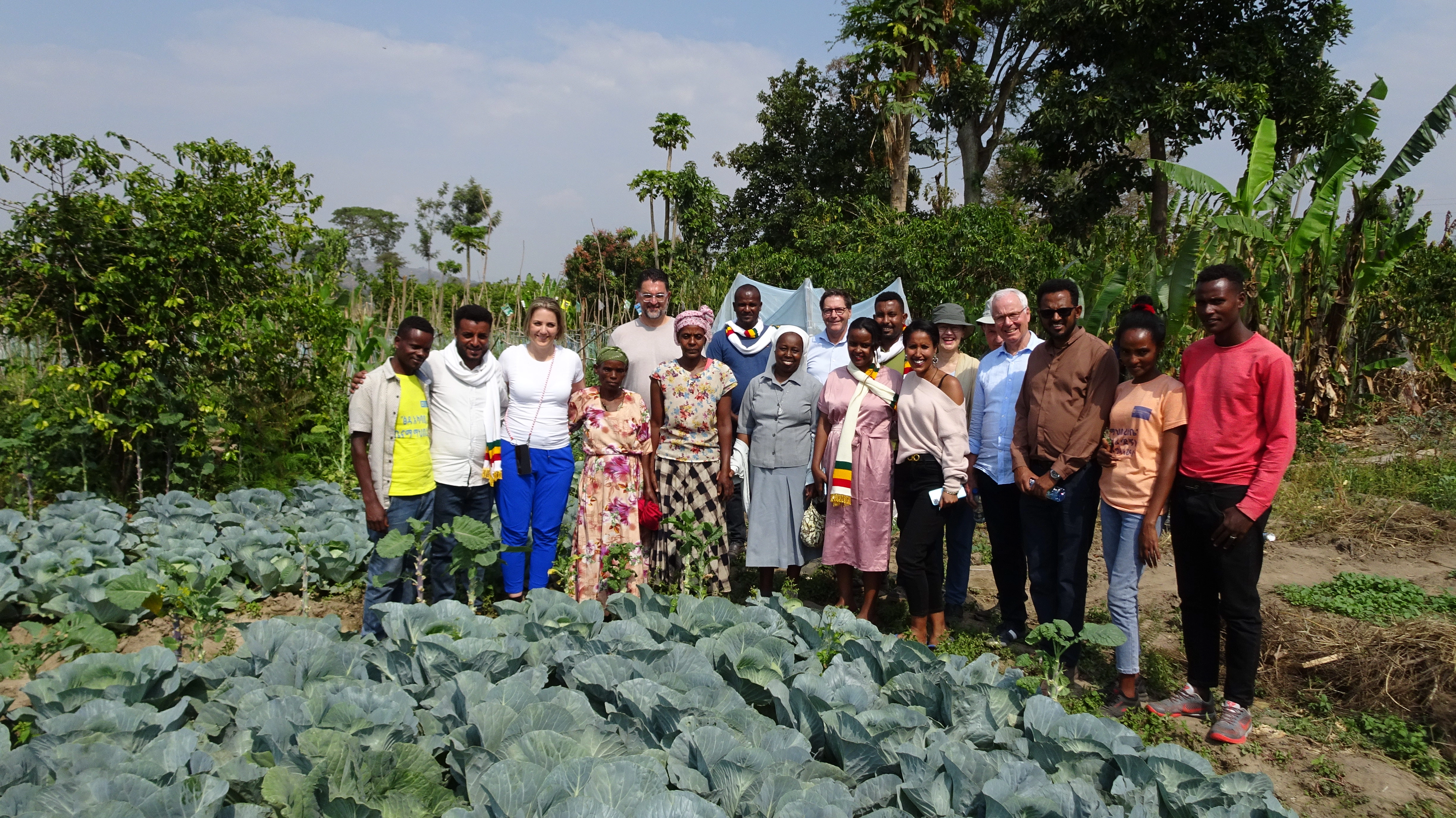
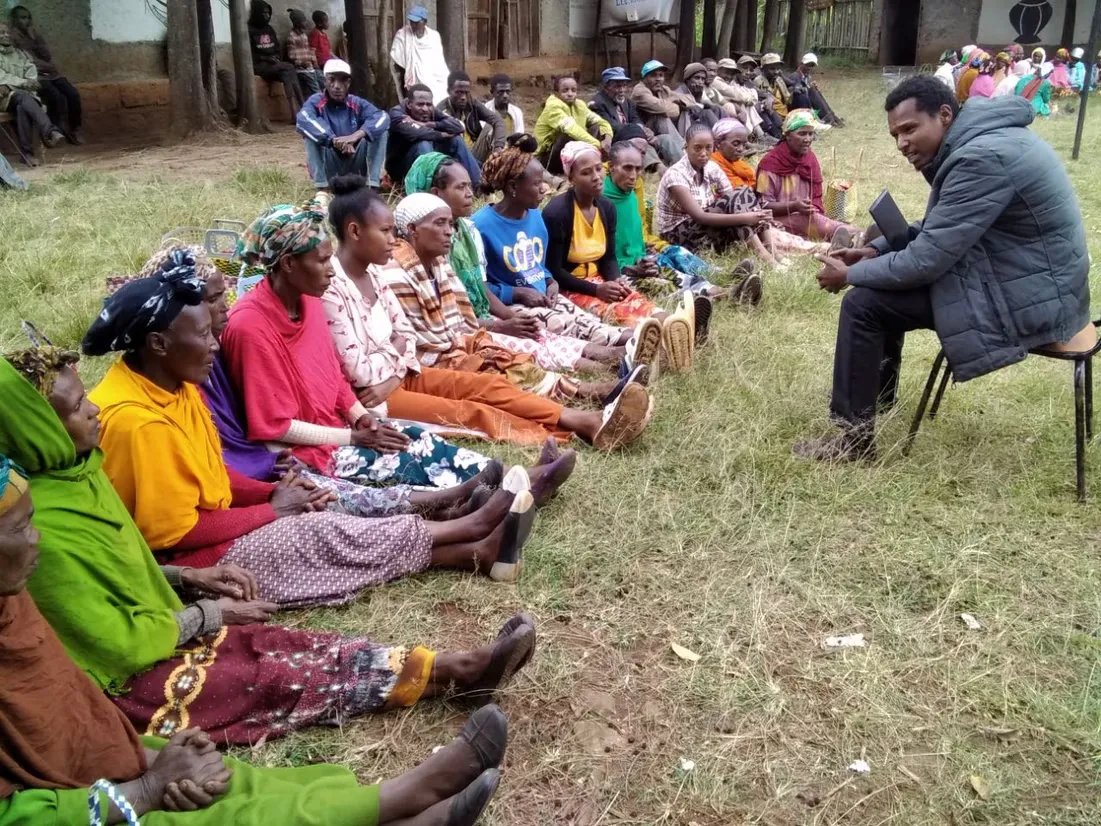
To strengthen the health, education, and economic resilience of vulnerable families in Tullo-Kebele by empowering women and youth, improving access to essential services, and fostering sustainable, self-reliant communities.
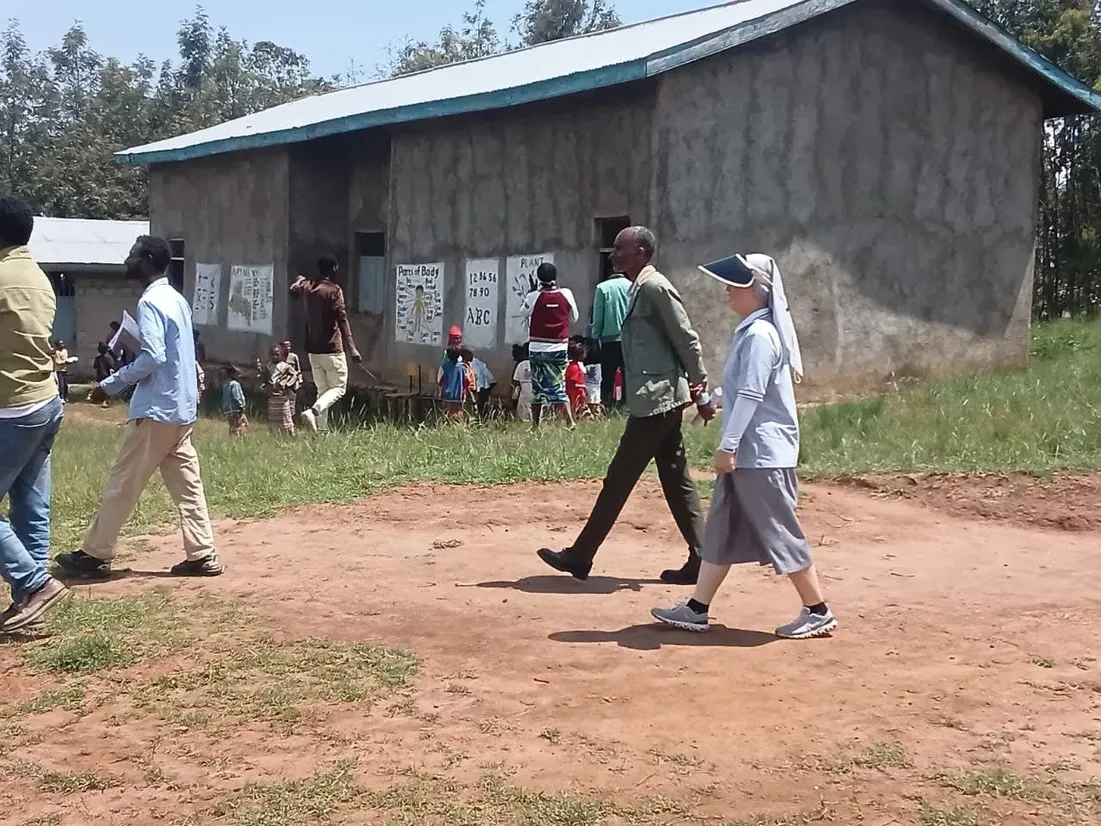
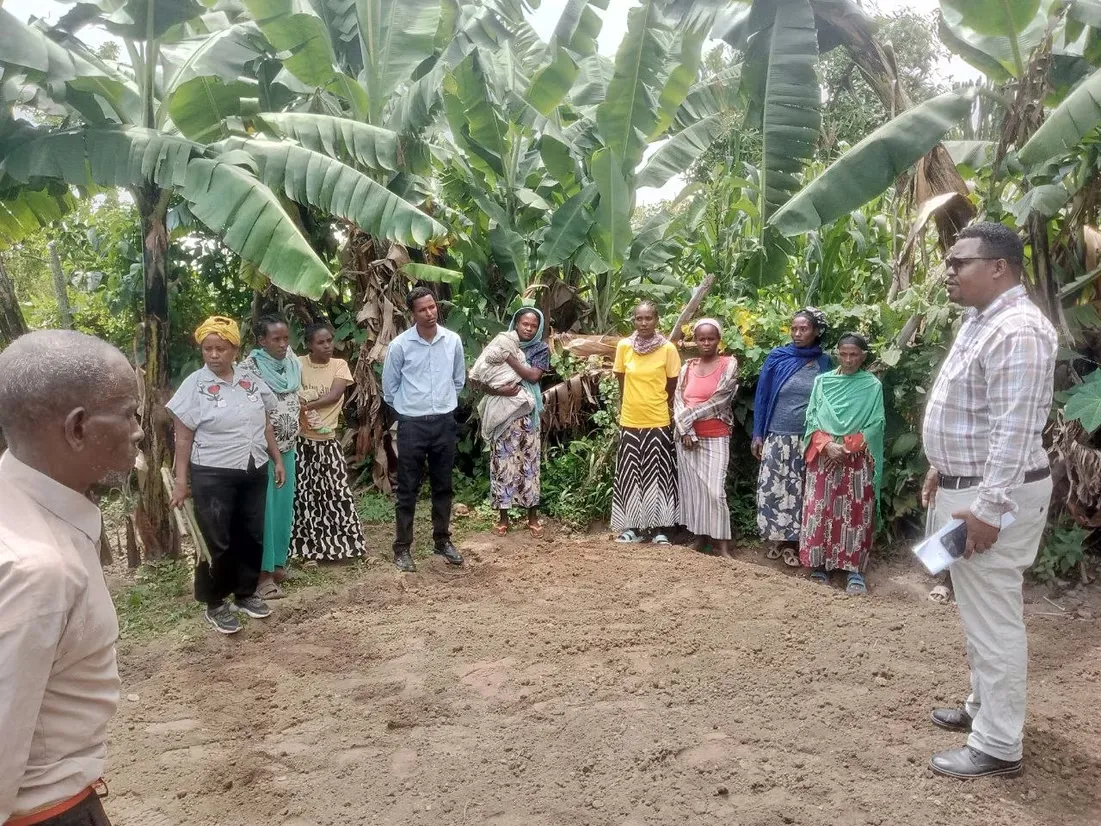
Targeting pregnant women, mothers, children and youth, and vulnerable caregivers of very low economic status across Finchawa, Tulla Geter and Haranfama.
Learn More About UsOUR THREE PILLARS
Resilient Livelihoods
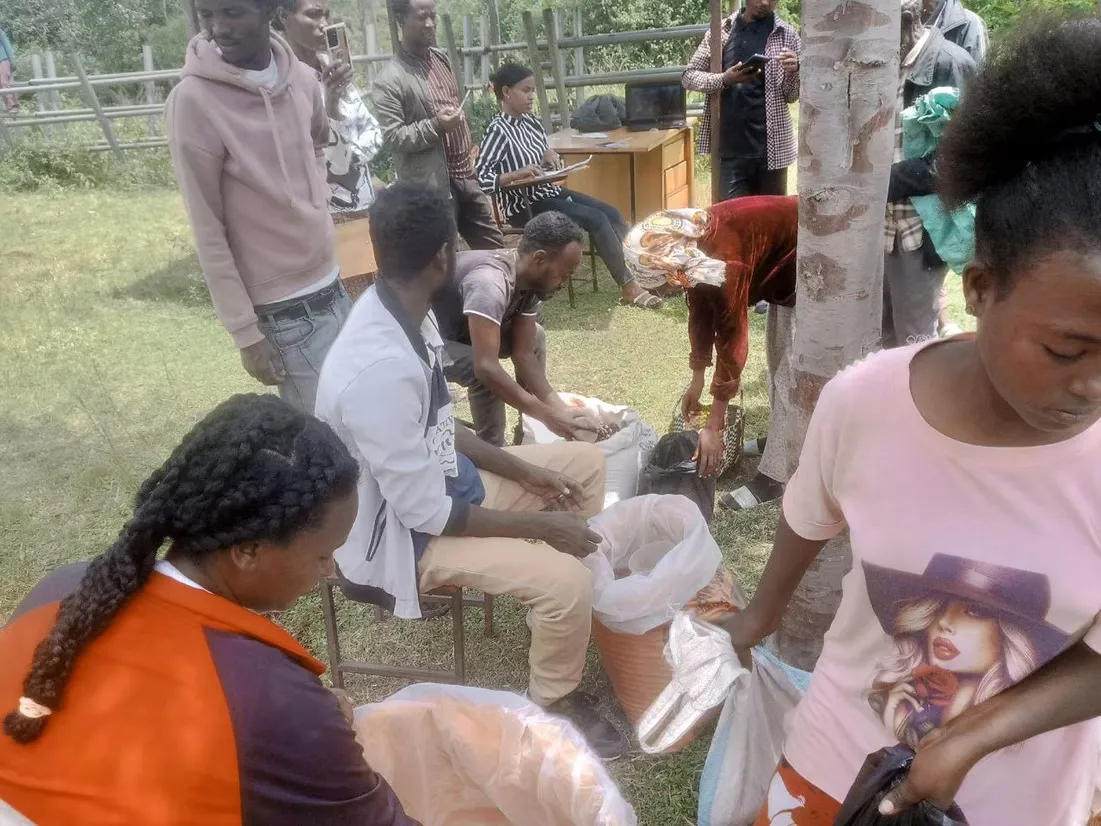
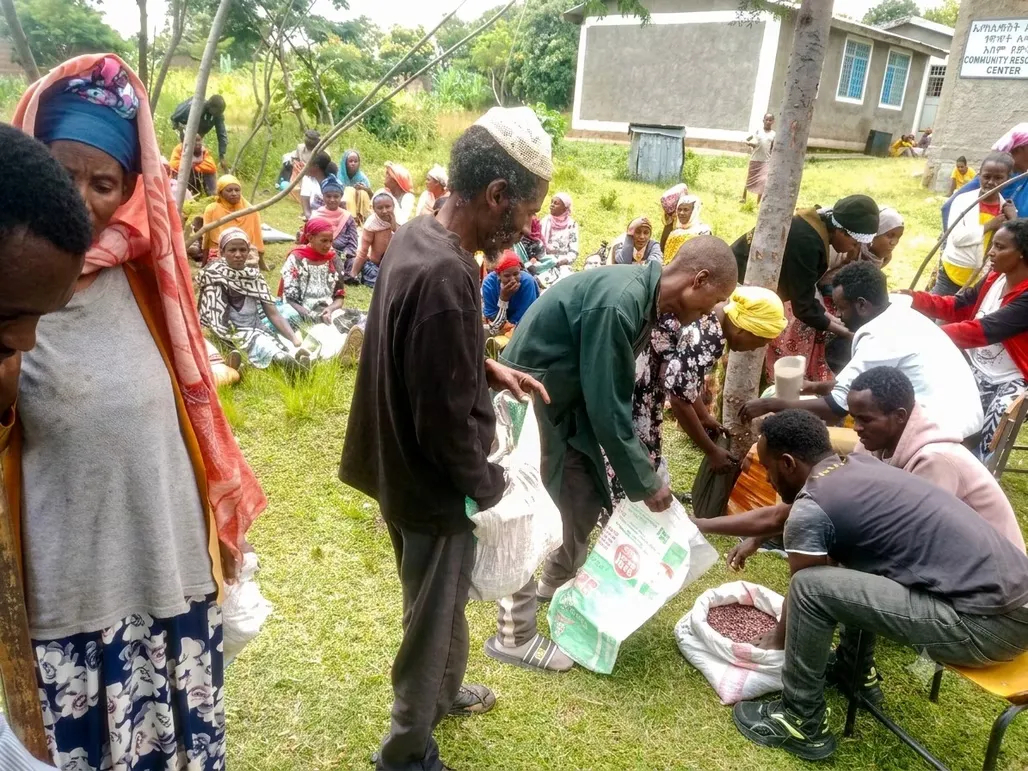
Improved access to essential resources for sustainable, self-reliant families
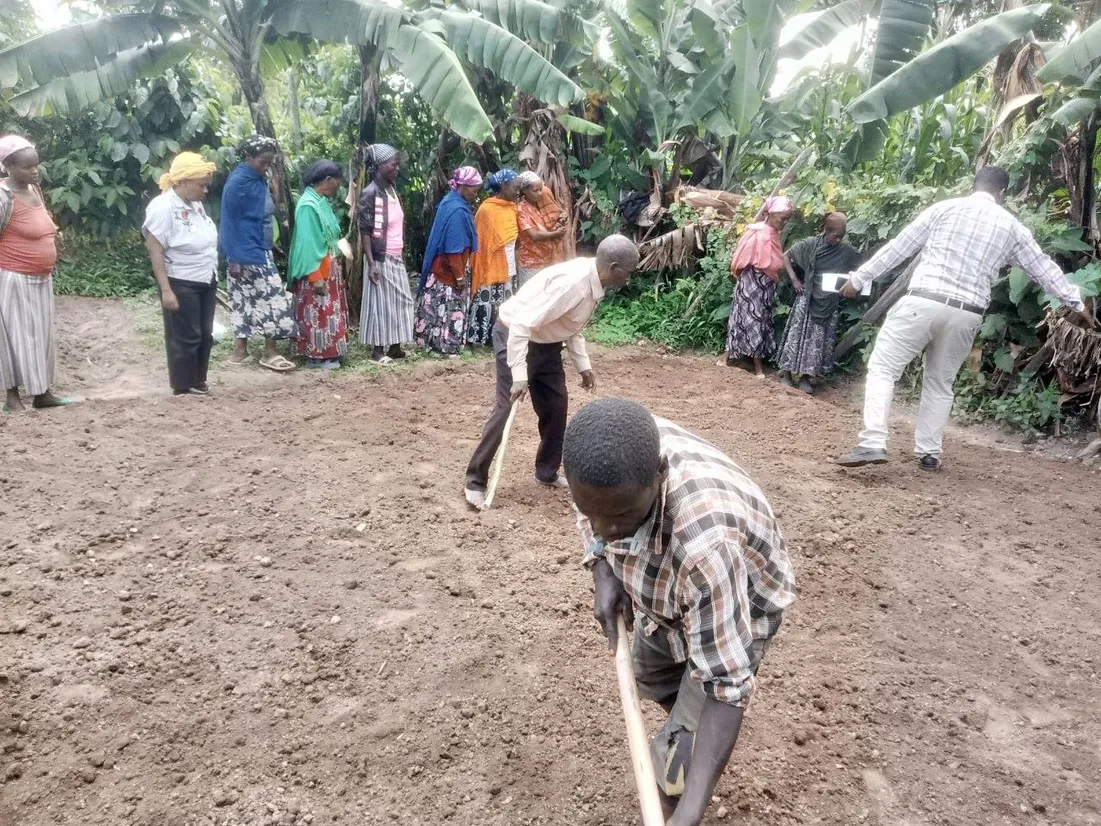
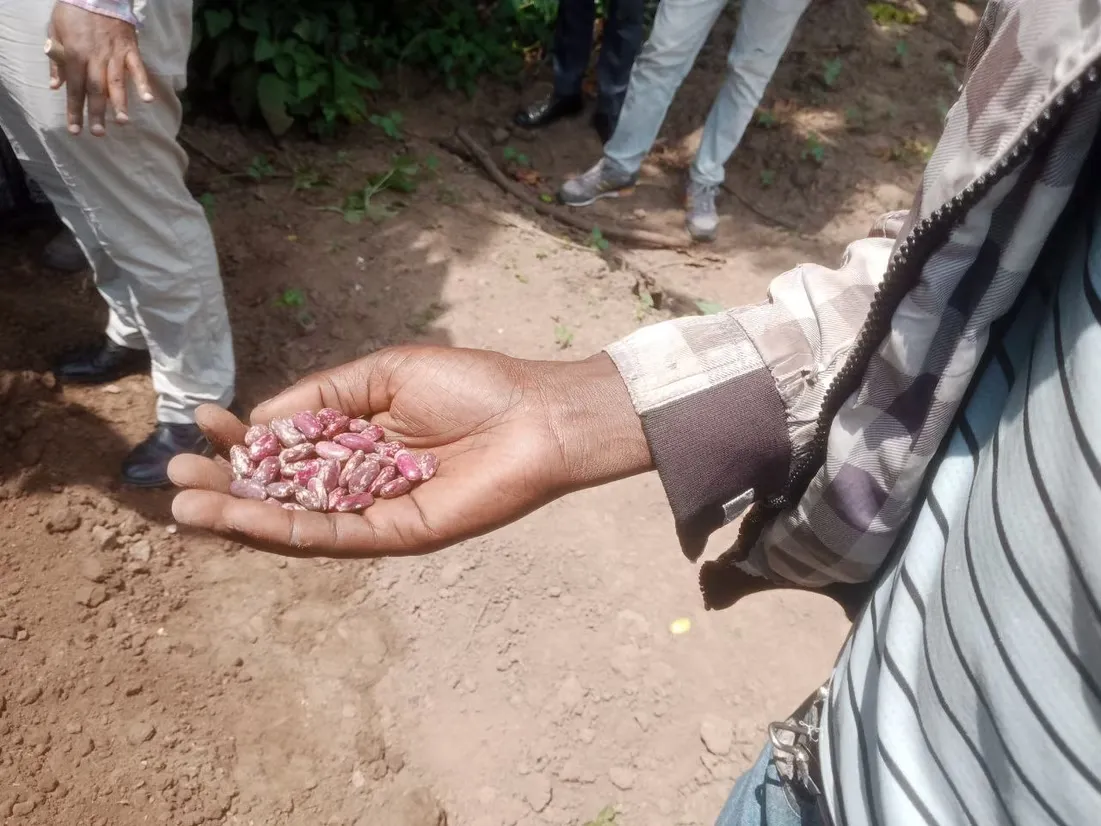
- Improved seed & supportive material
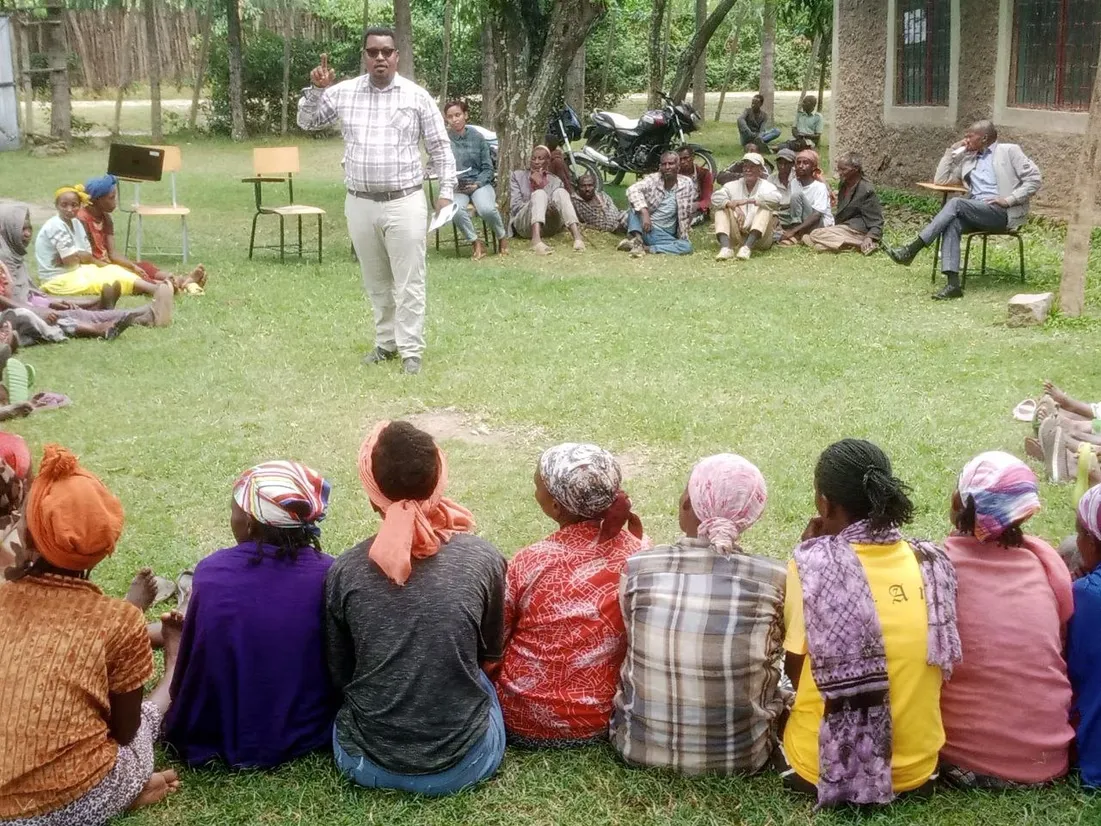
- Agricultural & livestock training
- Expansion of SILC savings groups
- Seed money for income-generating activities
Community Health
Strengthened community health and reduced preventable diseases
- Mobile health services & wound care
- Hospital referrals for abnormal findings
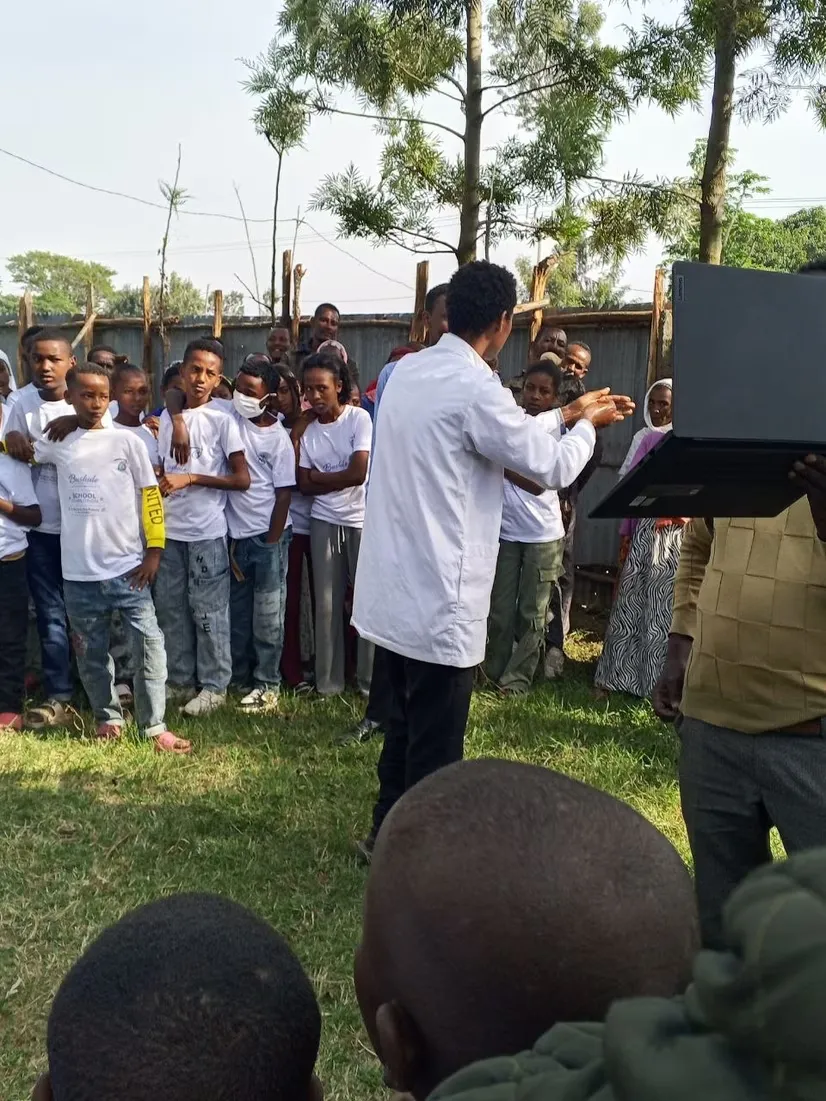
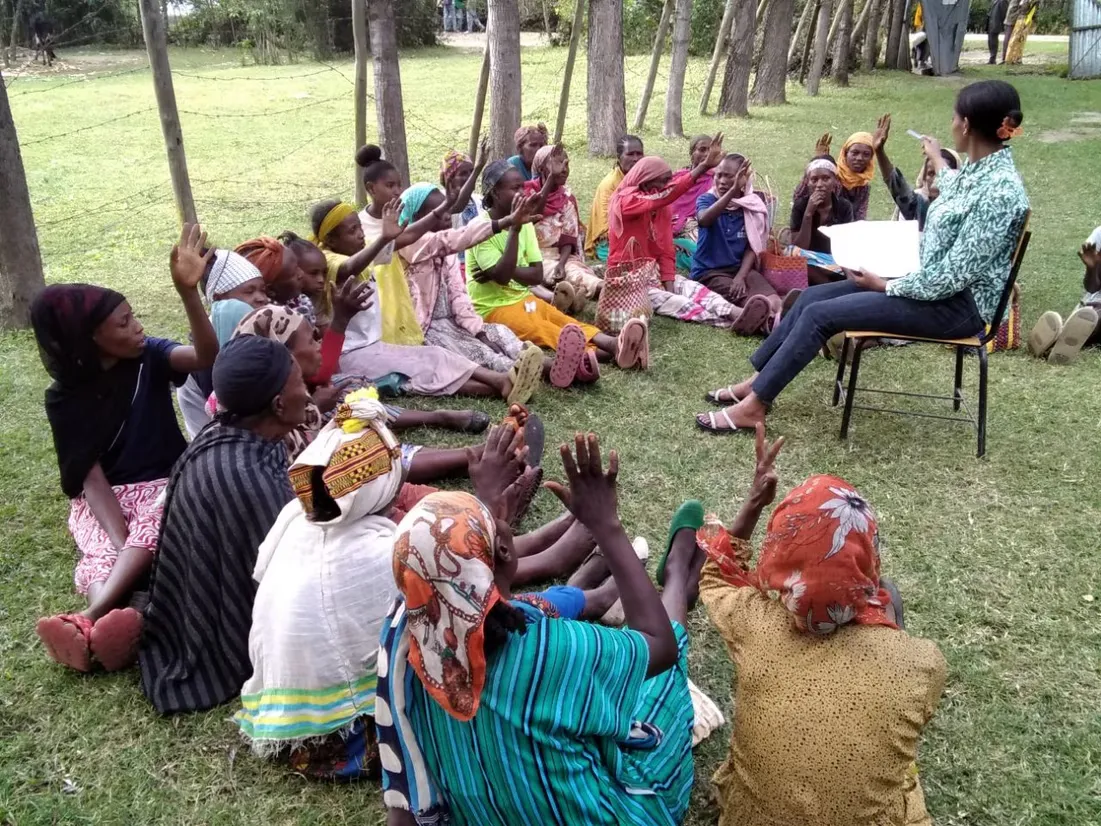
- Community hygiene education
- Pit latrines & water storage tanks
Youth & Family Empowerment
Knowledge and skills for families and youth to be self-reliant
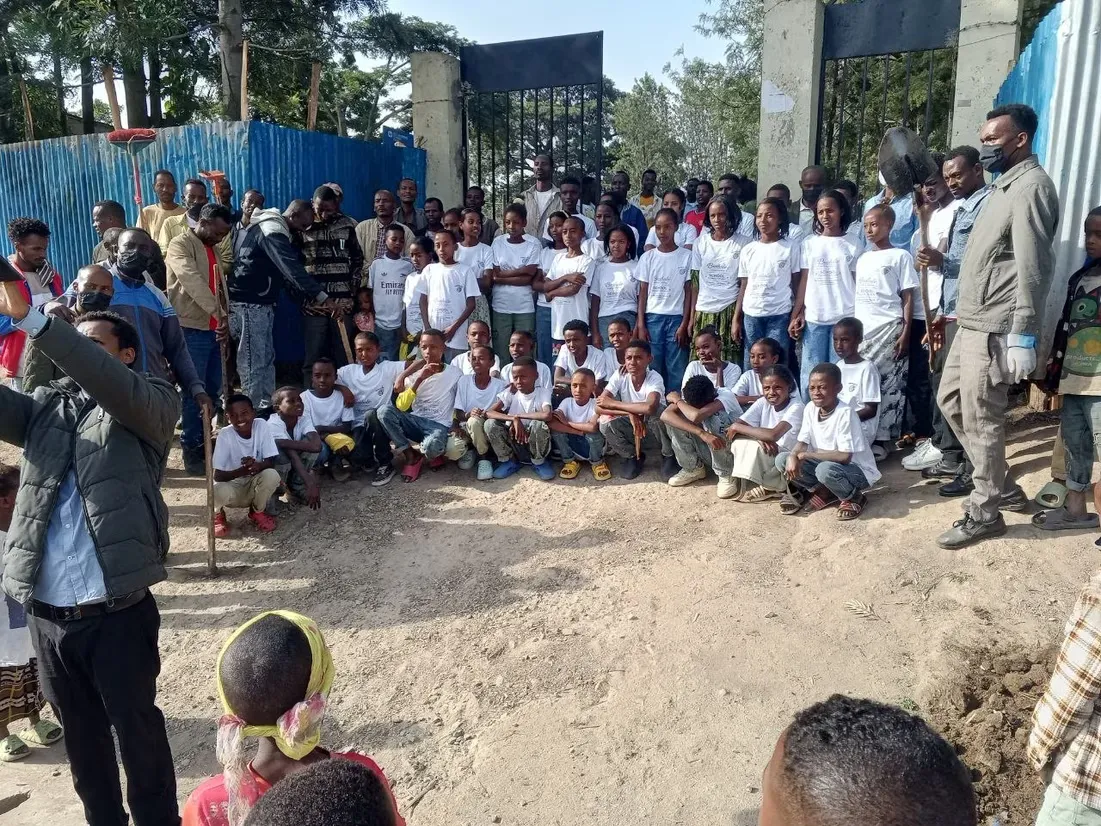
- Youth vocational skill training
- Tutorial support for female students
- School uniforms & learning materials
- Access to education for children with disabilities